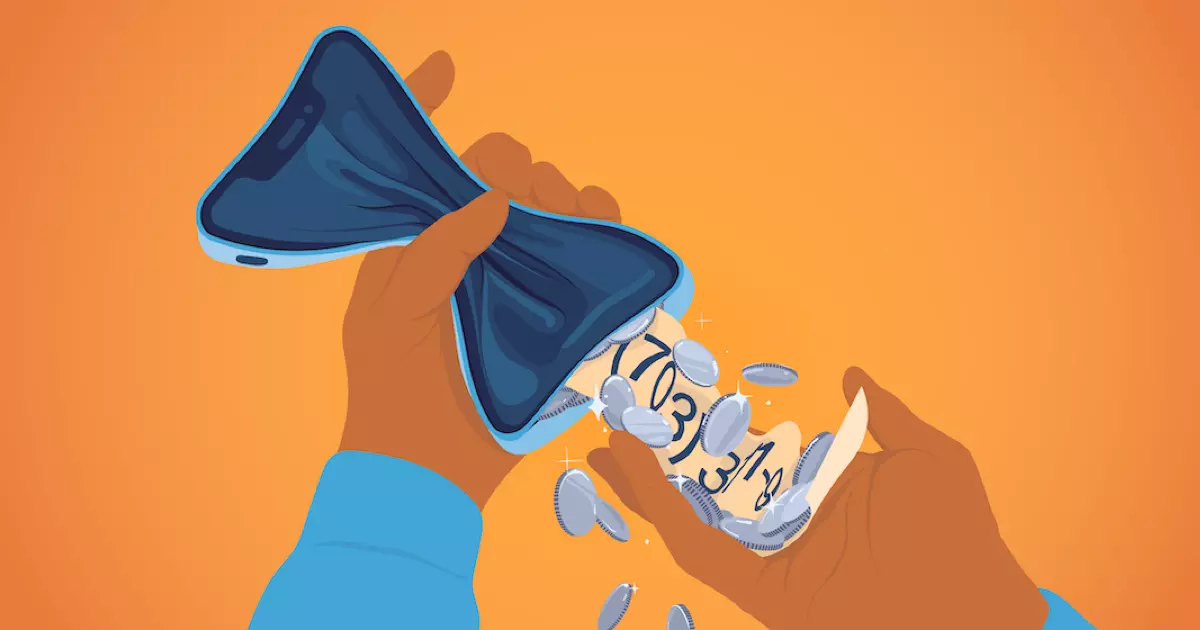

Caller ID is supposed to help you decide whether to pick up the phone. But in recent years, scammers have learned how to manipulate that trust – making calls appear as if they’re coming from your bank, your area code, a government agency – or even your own number.
This is called caller ID spoofing, and while it’s increasingly common, it’s not always well-understood. The good news: once you know how spoofing works and what signs to look for, you can protect yourself, your family, and your business from the most common scams.
Let’s take a better look at how caller ID spoofing works, what it looks like ”IRL” (in real life), and explore clear steps to prevent or report it.
- What Is Caller ID Spoofing?
- How Does Caller ID Spoofing Work?
- How to Spot a Spoofed Call
- How To Prevent Caller ID Spoofing
- How to Report Caller ID Spoofing
- What NumberBarn Customers Can Do
- FAQ
What Is Caller ID Spoofing?
Caller ID spoofing is when someone intentionally falsifies the name or number that appears on your phone when they call.
Scammers use software, VoIP tools and caller-ID spoofing apps to make it look like the call is coming from somewhere trustworthy – often to trick you into giving personal information, clicking a link, or sending money.
According to the Federal Communications Commission (FCC), spoofing is illegal when it’s used to defraud, harm, or wrongfully obtain anything of value.
Not ALL spoofing is malicious (businesses can legally “mask” numbers in certain cases), but if you’re getting unexpected calls from numbers that look local, familiar, or linked to your accounts, it’s important to be cautious.
How Does Caller ID Spoofing Work?
Scammers use internet-based calling systems that let them choose what number displays on your caller ID. They can spoof:
- Local area codes (to increase pickup rates)
- Toll-free business numbers
- Government agencies
- Banks and service providers
- Your workplace
- Your own number
This is usually done with:
- VoIP systems
- Caller ID spoofing software
- Online caller ID spoofing services
- Apps that generate custom numbers
These tools don’t require technical skill – making spoofing easy, cheap and, sadly, widespread.
Examples of Common Caller ID Spoofing Scams
Here are a few realistic examples of what spoofed scams might sound like.
“Bank account alert”
Caller ID shows: Your bank’s name
Scammer: “Hi, this is the Fraud Department at your bank. We detected suspicious charges and need to verify your account. Can you confirm your card number for me?”
“IRS or government agency”
Caller ID shows: An 800 number or “IRS”
Scammer: “This is an urgent notice regarding your tax return. If you don’t call us back today, legal action may be taken.”
“Tech support takeover”
Caller ID shows: A major tech company
Scammer: “We’ve detected a virus on your computer. We need to remotely access your device to fix it.”
“Package delivery issue”
Caller ID shows: USPS, UPS, or a local courier
Scammer: “We attempted delivery, but need a small redelivery fee. Please confirm your payment details.”
“Your own number calling you”
Caller ID shows: Your exact number
Scammer: “Your phone number has been compromised. We need to verify your identity.”
If the call creates urgency, pressure, or fear – it’s likely a spoof.
How to Spot a Spoofed Call
Spoofed calls can be convincing, but most share the same warning signs:
- The caller demands immediate action.
- The tone is threatening, urgent, or emotional.
- The caller ID looks familiar but the behavior is off.
- They ask for passwords, PINs, or personal information.
- They insist you stay on the line.
- They request payment through gift cards, wire transfer, or cryptocurrency.
- The audio quality sounds “VoIP-like” or laggy.
- They get defensive if you ask to call back on the official number.
When in doubt, hang up and call the real business or agency directly.
Step-by-Step Prevention: What You Can Do Today
Don’t trust caller ID alone
Scammers can mimic almost any number – including your own.
Let unknown numbers go to voicemail
Legitimate callers will leave a message.
Block numbers (even if they’re spoofed)
Blocking won’t stop all spoofing, but it reduces repeat attempts.
Enable call-filtering tools
Your mobile carrier may offer tools like:
- AT&T Call Protect
- Verizon Call Filter
- T-Mobile Scam Shield
These help filter high-risk calls before they reach you.
Never give personal information over the phone
Your bank, IRS, or service provider will never ask for:
- Full card numbers
Passwords
Banking logins - Sensitive personal data
Look up the official number before calling back
Don’t hit redial – use the official website instead.
How To Prevent Caller ID Spoofing
Spoofing isn’t going away, but you can dramatically reduce risk:
- Use two-factor authentication.
- Even if scammers get partial info, 2FA stops most fraud attempts.
- Keep your number off public directories.
- The fewer places your number appears, the better.
- Consider a secondary or virtual number.
- Many small businesses use a public-facing number that forwards to their real line.
- Use call forwarding intentionally.
Call forwarding through a provider like NumberBarn can help separate personal and business calls while keeping your real number private.
Stay updated on new scam tactics – the FCC and FTC regularly publish fraud alerts and prevention updates.
How to Report Caller ID Spoofing
If you get a spoofed call, you can report it here:
Reporting helps federal agencies track patterns and shut down repeat offenders.
What NumberBarn Customers Can Do
NumberBarn customers have a few extra tools to stay protected:
- Review call logs to monitor suspicious activity.
- Use custom voicemail greetings when forwarding or parking numbers.
- Keep personal numbers private with virtual, parked, or forwarded lines.
- You can also check out NumberBarn’s full help guide here.
FAQ
Is caller ID spoofing illegal?
Yes – when it’s used to defraud, harm, or wrongfully obtain something of value.
Can scammers spoof any number?
In many cases, yes. Internet-based calling tools make it easy to mimic most numbers.
Can I stop someone from spoofing my number?
There’s no way to fully prevent spoofing, but you can minimize risk and monitor activity.
Why do spoofed calls look local?
Scammers pick local area codes to increase the chance you’ll answer.