
Have you ever received a text clearly meant for someone else? Or a call where the person on the other end swears you called them first?
You start to wonder about the life of the phone number before you acquired it. Finding out the phone number history of your digits can get confusing.
Most phone numbers don’t live just one life. They get assigned, retired, recycled, and reassigned again. That sometimes raises a fair question: Has my phone number been used before… and does it matter if it has?
We’ll take a look at how you can know more about the history of your phone number – in a way that’s clear, useful, and refreshingly low on telecom jargon.
- What Is a Phone Number History?
- How Phone Numbers Get Reused
- How to Check If Your Phone Number Has Been Used Before
- Why Phone Number History Can Matter
- How to Avoid Problems With Used Phone Numbers
- Your Phone Number, Your Call
What Is a Phone Number History?
A phone number history can mean anything from the call logs and activity of a phone number, to the past usage of a phone number before it landed with you. We’ll explore the latter.
That history might include:
- Previous owners
- Past carrier assignments
- Associations with accounts, services, or businesses
- Lingering records in databases and contact lists
Phone numbers aren’t created fresh for every new user. They’re part of a limited system, managed nationally, and reused over time to keep things running efficiently.
Think of it less like a brand-new notebook and more like a library book: returned, reissued, and sometimes still remembered.
How Phone Numbers Get Reused
Numbers aren’t unlimited (even if it feels like they should be)
In the United States, phone numbers are regulated and distributed through a structured system overseen by national regulatory authorities. Carriers receive blocks of numbers and assign them to customers as needed.
When a number is disconnected, it doesn’t vanish forever.
The “rest period” before reuse
After a phone number is disconnected, it typically goes through a quarantine period (often around 45 to 90 days) before it becomes eligible for reassignment.
This waiting period exists to:
- Prevent immediate misdirected calls and texts
- Allow carriers to clear routing data
- Reduce confusion during transitions
Still, once that window passes, the number can be assigned again.
A number’s “past life”
A previously owned phone number might have been a:
- Personal mobile line
- Business contact number
- Temporary number used for sign-ups or verification
- Parked or forwarded number
Most of the time, that history is harmless. Occasionally, it can lead to small annoyances (like stray calls) or bigger issues if the number was heavily used online.
How to Check If Your Phone Number Has Been Used Before
There’s currently no single public database that shows a complete phone number history. But there are a few practical ways to get clues.
1. Do a quick online search
Typing your phone number into a search engine can reveal whether it appears on:
- Business listings
- Old classifieds
- Public profiles
- Spam or complaint forums
This won’t show everything, but it’s often the fastest way to spot obvious past usage.
2. Pay attention to incoming messages and calls
Repeated messages asking for someone else, or automated calls tied to unfamiliar accounts, can indicate the number was previously active.
A small trickle is normal. A steady stream might suggest a more active past.
3. Check reverse phone lookups
Reverse phone lookups can be a useful way to see the current and previous history of a phone number.
Some services like whitepages.com are free, offering limited info about the phone number, but providing a very useful associated spam risk for the number (meaning it likely was or wasn’t used for spam calls before).
4. Ask your carrier (with limits)
Your current carrier may be able to confirm whether the number was recycled within their own network. However, they won’t have visibility into usage across other providers, and privacy rules limit what they can share.
In short: you can gather signals, but not a full biography.
Why Phone Number History Can Matter
For many people, a reused number is a complete non-issue. For others, context matters.
When it’s usually fine
- Personal use
- Low-volume calling and texting
- Casual communication
When it can cause friction
- Business use
- Two-factor authentication conflicts
- Lingering account associations
- Reputation concerns tied to spam or fraud databases
If you’re relying on a number for professional communication, customer trust, or account security, good news…we have some insight on how to get “new-to-you” phone numbers ready for more seamless use.
How to Avoid Problems With Used Phone Numbers
If you want more assurance about your phone number (and fewer surprises) here’s a few options to consider:
- Consider number parking before switching carriers
If you’re holding onto a number you may want later, number parking lets you keep it safe without actively using it. This prevents reassignment and protects the number’s continuity.
You can also learn about number parking in more detail here.
- Help improve a phone number’s reputation
Are your calls getting mistaken for spam? If you want to improve a phone numbers credibility, you can take steps like verifying your business, updating the caller ID (aka CNAM) etc. Take a look at these tips to better ensure a phone number’s past life doesn’t conflict with your current use.
This is especially useful for businesses, side projects, or personal lines you want to keep separate.
- Update accounts proactively
If you do have a previously owned phone number:
- Update key accounts immediately
- Enable account alerts
- Monitor unexpected login or verification activity
A little housekeeping early on can prevent confusion later.
- Look for phone numbers under new area codes
Every year, multiple new area codes and overlays are issued across the U.S. as population grows and phone number demand increases.
If getting a local number specific to your geographic region isn’t that critical for you (with cell phones and the elimination of long distance fees, it might not be a factor), consider a phone number issued in a new area code. It’s a great way to get a new number and even find more attractive patterns before they are snatched up.
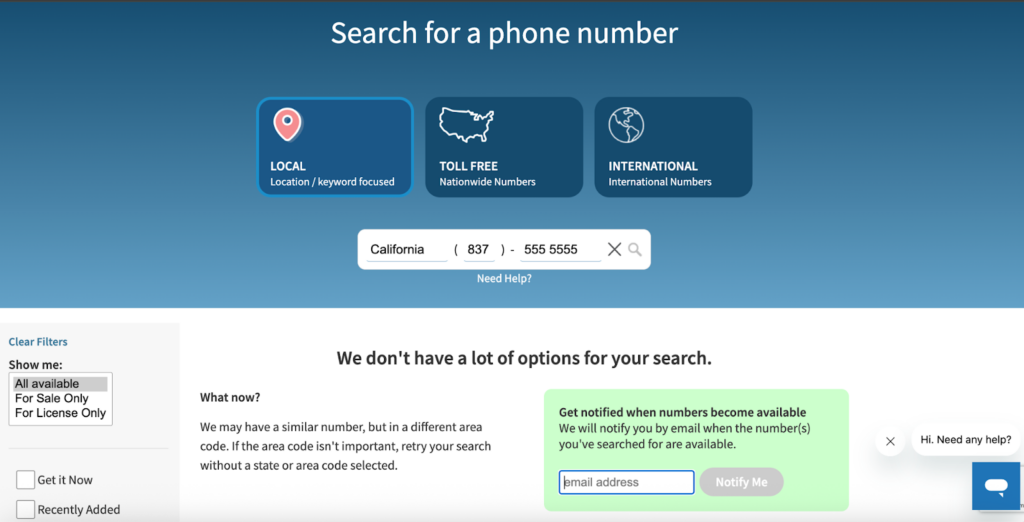
Pro tip: New area code phone numbers generally take a few months to land in our marketplace. If a specific number is not available at NumberBarn, you can get notified by email when it’s available.
Your Phone Number, Your Call
Phone numbers are reused; it’s normal, regulated, and part of how modern communication works. But that doesn’t mean you have to accept mystery baggage if you’d rather not.
Whether you’re curious about your current phone number history or actively looking for a fresh start, knowing your options puts you back in control. If you’re looking for a new custom phone number, just a quick online search or reverse phone lookup of that number can reveal many things about a phone number’s previous life.
And if it’s got a questionable past, we’ve got literally millions of other numbers to choose from to find just the right number for your needs, at NumberBarn.