
There are many reasons to get a burner phone or burner number. In fact, there’s many more than you might realize.
Do you have a small business? Well, you probably don’t want to plaster your personal number onto a billboard, or post it online for the whole world to call you.
What if you just need a new number for just like, a month? In that case, why would you sign up for some long-term, binding contract? Perhaps you work as a therapist and need to safeguard your personal number with a temporary alternative number for new or short-term clients.
Or maybe you just want to sign up for rewards at your local coffeehouse without your regular number blasted out into the wild. (We all hate spam!)
There are countless reasons why burner phones and burner apps have surged in demand — including the “dumb phone phenomenon” where people “dumb-down” their tech to intentionally disconnect from distracting social media. But there are pros and cons to these phones and apps, as well as potentially a simpler solution than an app subscription.
What’s a burner phone? What’s a burner app? How are they different?
There’s a difference between burner phones, and “burner phone apps” that generate temporary numbers. They approach the same problem differently.
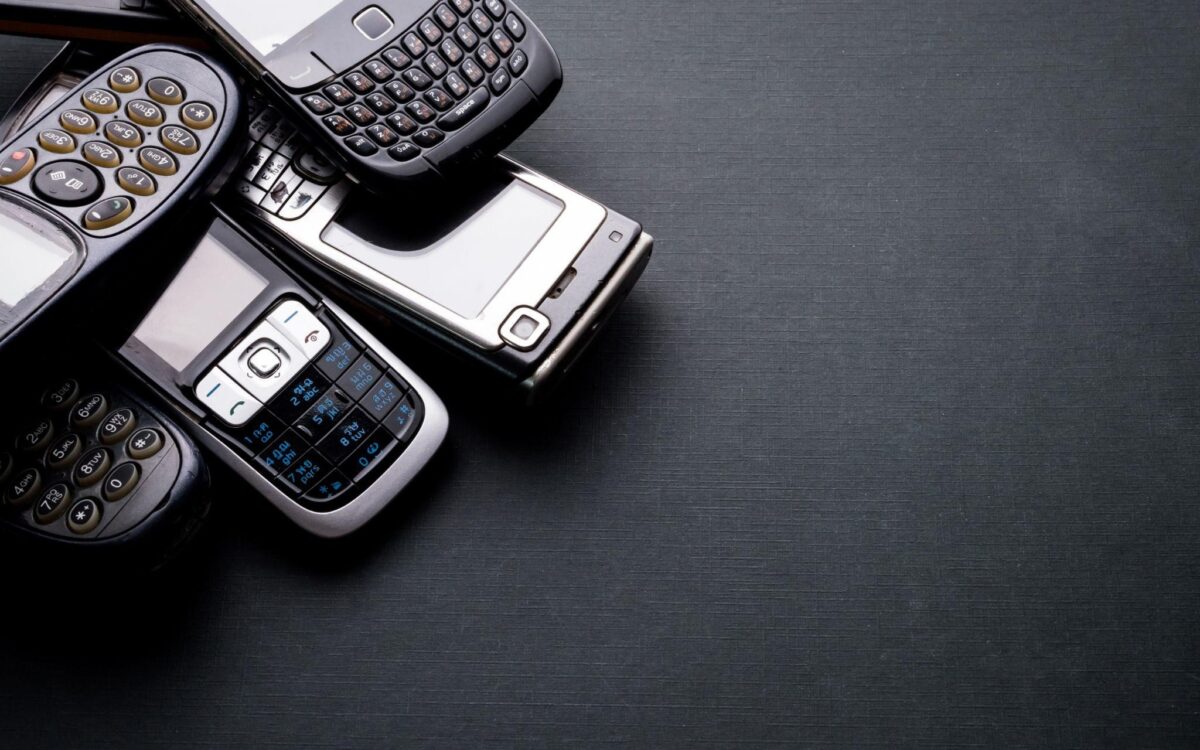
Burner phones are typically “call and text-only” physical devices. Very often, they look like old flip-phones, but they can also have touch screens.
They typically work by loading them with pre-paid SIM cards that have a set-amount of minutes and/or texts. You can easily find a burner phone in electronic and convenience stores, and they’re readily available online in places like Amazon.

Amazon’s Burner Phone Page
Burner number apps on the other hand are app-based services that allow you to dispense new numbers to an already-active phone.
Usually, this entails a smart phone that can accommodate apps, though theoretically you could stack a burner number to a burner phone, if that burner phone has some kind of internet and downloading capabilities. (Read more on how privacy actually works with burner phones below.)
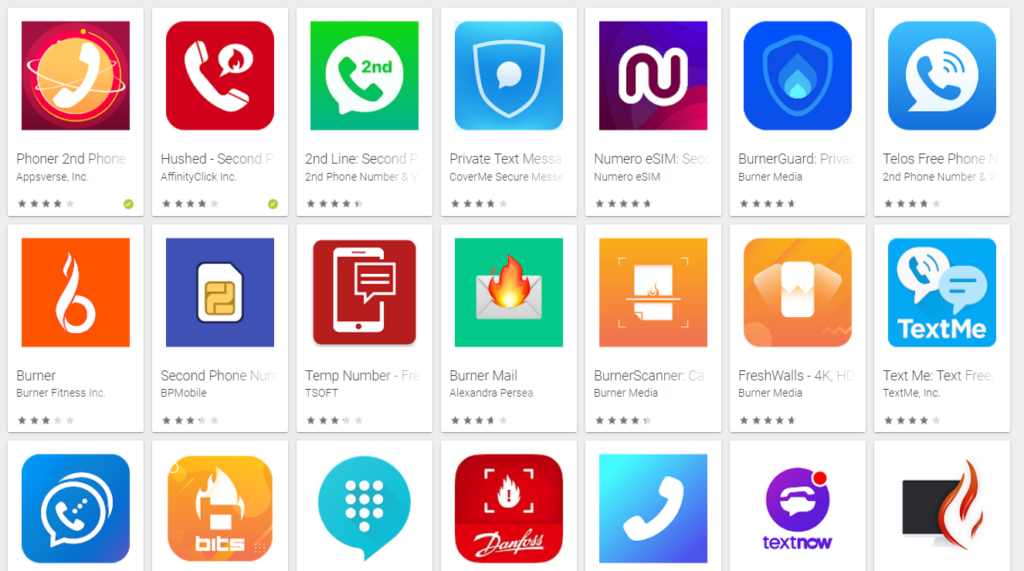
Burner apps typically work by making an account through their app, then paying a monthly subscription-fee at whichever tier you desire. Phone numbers are typically assigned to you based on what the app has available in your geographic area.
Examples of Burner apps include Hushed, Burner, TextFree, and (in a roundabout sort of way), Google Voice.
Burner apps are not always just number-dispensing services alone — some of them advertise basic telecom features like call forwarding, voicemail, and a lot more, depending on which app you’re talking about. (You can even find some burner services that accept payment in cryptocurrency, if that’s really what you’re after.)
Do burner number apps lose your data and history?
Yeah. That’s kind of their whole thing.
For example, the app Burner prominently states that their service, “…permanently deletes associated calls, texts, voicemails, and photos when a number is removed.” That’s great, if that’s what you need!
Once deleted however, you can’t restore it, nor can Burner customer support retrieve it. If you have any desire to maintain your media, contact info, conversations, or anything else on your alternative number, you can either download it prior to deleting, or pay for the number indefinitely.
Other things to know about Burner numbers which can trigger data deletion:
- Burner numbers expire and if you miss a payment for your subscription, and it’s a very short grace period before your data is auto-deleted.
- Data also doesn’t migrate when changing a burner number, so if you switch Burner numbers, you can’t transfer the old data to the new number (like when you upgrade your traditional cell phone for instance and transfer the old data to the new phone or number.)
Burner apps are prone to this level of disconnecting and wiping clean, even when you don’t always intend it, as Burner’s own FAQs attest to.
Are there alternatives to burner apps?
Depending on your needs, a simpler and perhaps safer alternative to many burner app use-cases is to simply use digital phone number websites, especially if you just need a second number to protect your personal number.
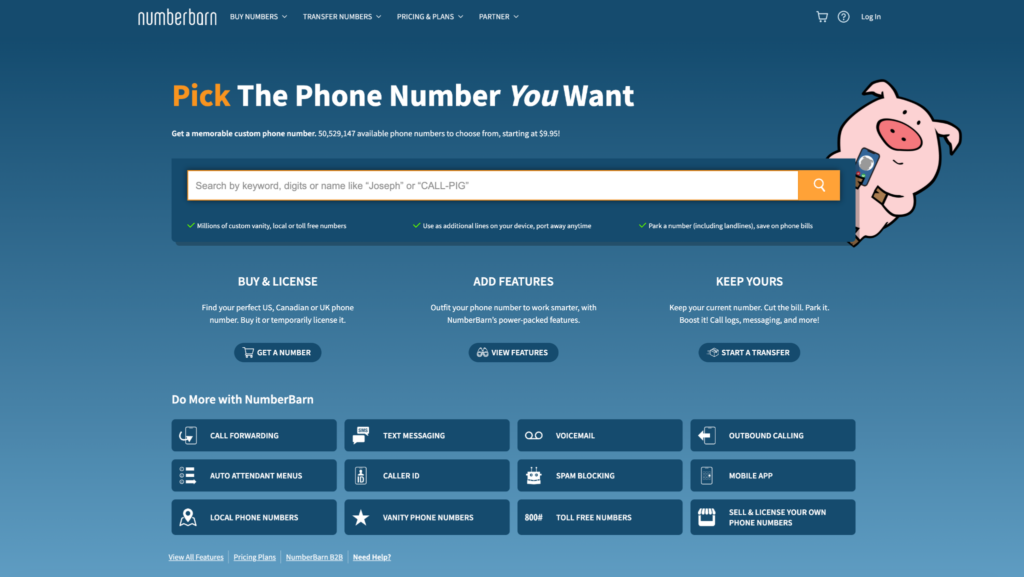
Not to be confused with VoIP internet phone numbers like Google Voice, marketplaces like NumberBarn typically allow you to search for a fully functional phone number that you can use as a second number by transparently forwarding it to your regular number for just a few bucks a month.
Use it for however long you need it. Don’t need it anymore? It’s quick to cancel, or quickly park it to use it later.
With parking, you can still see who’s called it, and even add text and voicemail to it while you’re storing it. You can switch to a call forwarding plan intermittently when you need voice or forwarding, etc. And if you really want to save that number, you can port it to almost any other provider at any time. Viola.
NumberBarn.com
NumberBarn goes the extra mile beyond most burner apps by letting you choose from a massive amount of available numbers, which even includes vanity numbers (think: 1-800 and/or numbers that spell out words), or numbers that share the area code you want your new number to appear in. In that way, it’s the most custom multiple-number solution.
Are burner phones and apps actually fully anonymous?
It’s very important to know that in most ways, neither burner phones nor burner apps are truly anonymous.
Most burner apps advertise themselves as featuring extremely encrypted messaging, along with lots of features that feel very spy-like: disappearing data, caller ID options, and more.
But in terms of the personal privacy of burner services, the truth is that they are more like privacy features, not actually purely anonymous, untraceable communication. All disposable phones and phone numbers still:
- Connect to cell towers
- Have an IP address
- Feature an IMEI Identifier
- Interact with identifying apps and services
This means that if push comes to shove, the simple act of connecting to a cell tower or internet service means you are inherently traceable by any highly motivated entity, regardless of the reason for your anonymity.
And of course, legally, each of these apps and phone service providers convey in their privacy policies that they must comply with any government entity that lawfully pursues a customer’s data.
Which should I use?
If you just need a very temporary way to literally make a call separate from the internet, a burner phone is great.
If you’re looking to keep your personal details and identifiers out of the hands of the average person, a burner app is also great, provided your needs are truly temporary, and you don’t mind potentially losing anything and everything you don’t manually back up elsewhere.
If you just need a cheap and easy to maintain “second number” that’s adaptable to how you want to use it or store it, a marketplace like NumberBarn is the most straightforward way. You can safely keep your communications private, with less concern about accidental data deletion, and more flexibility for your evolving phone number needs.