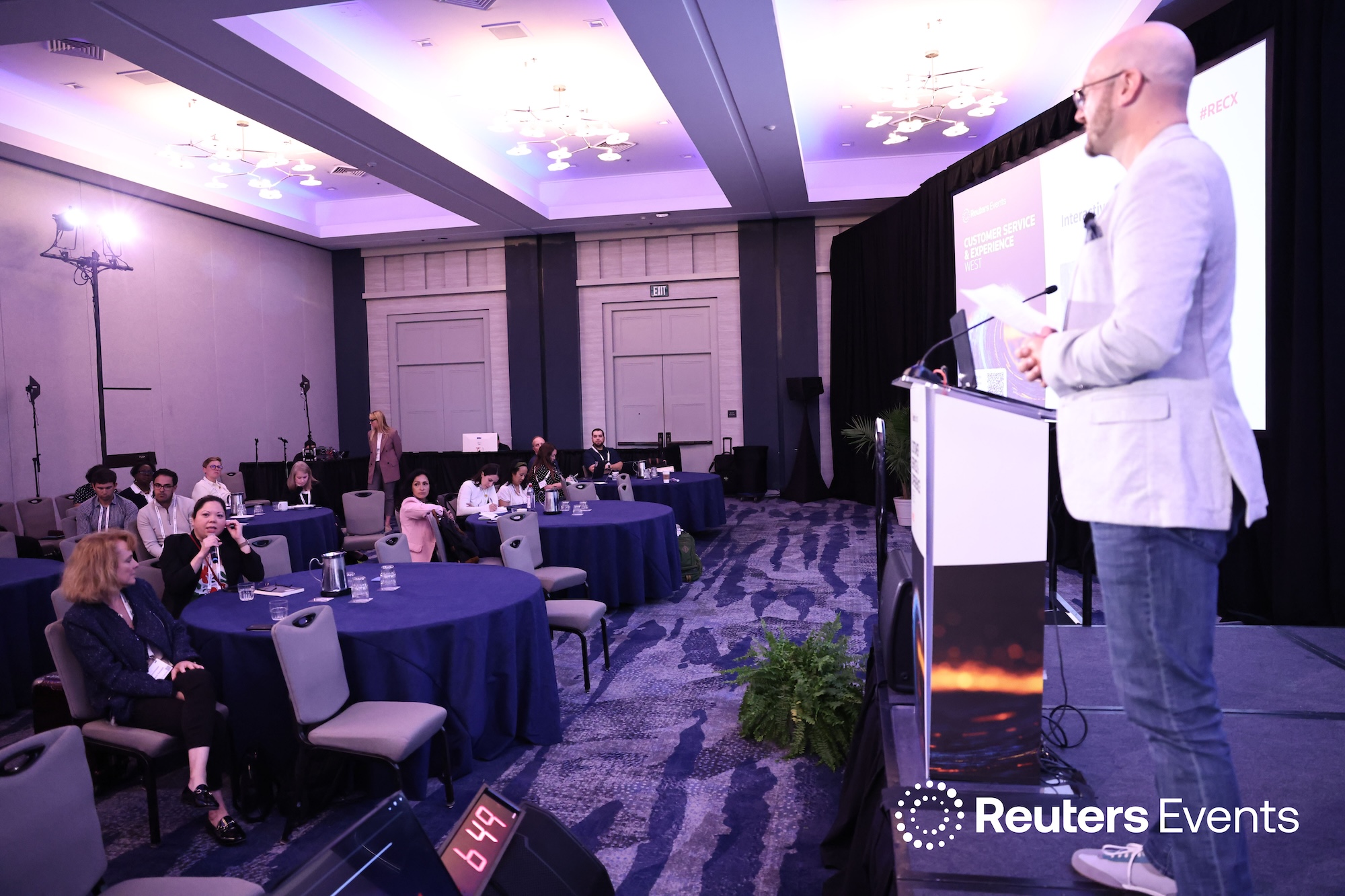

The Reuters Customer Service and Experience West conference made a return trip to San Diego, California on April 21 and 22 and I was privileged to attend with a couple of my NumberBarn colleagues.
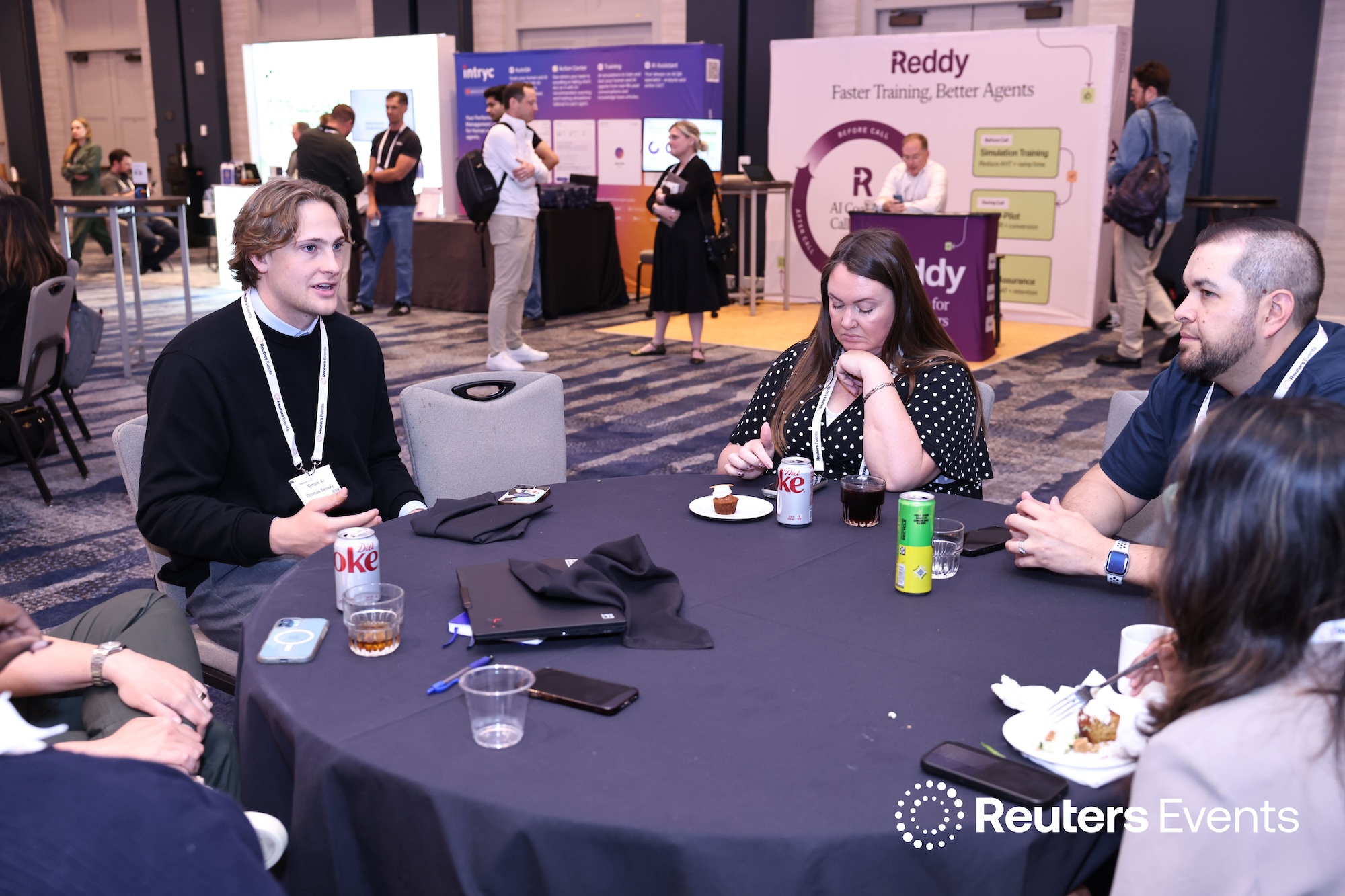
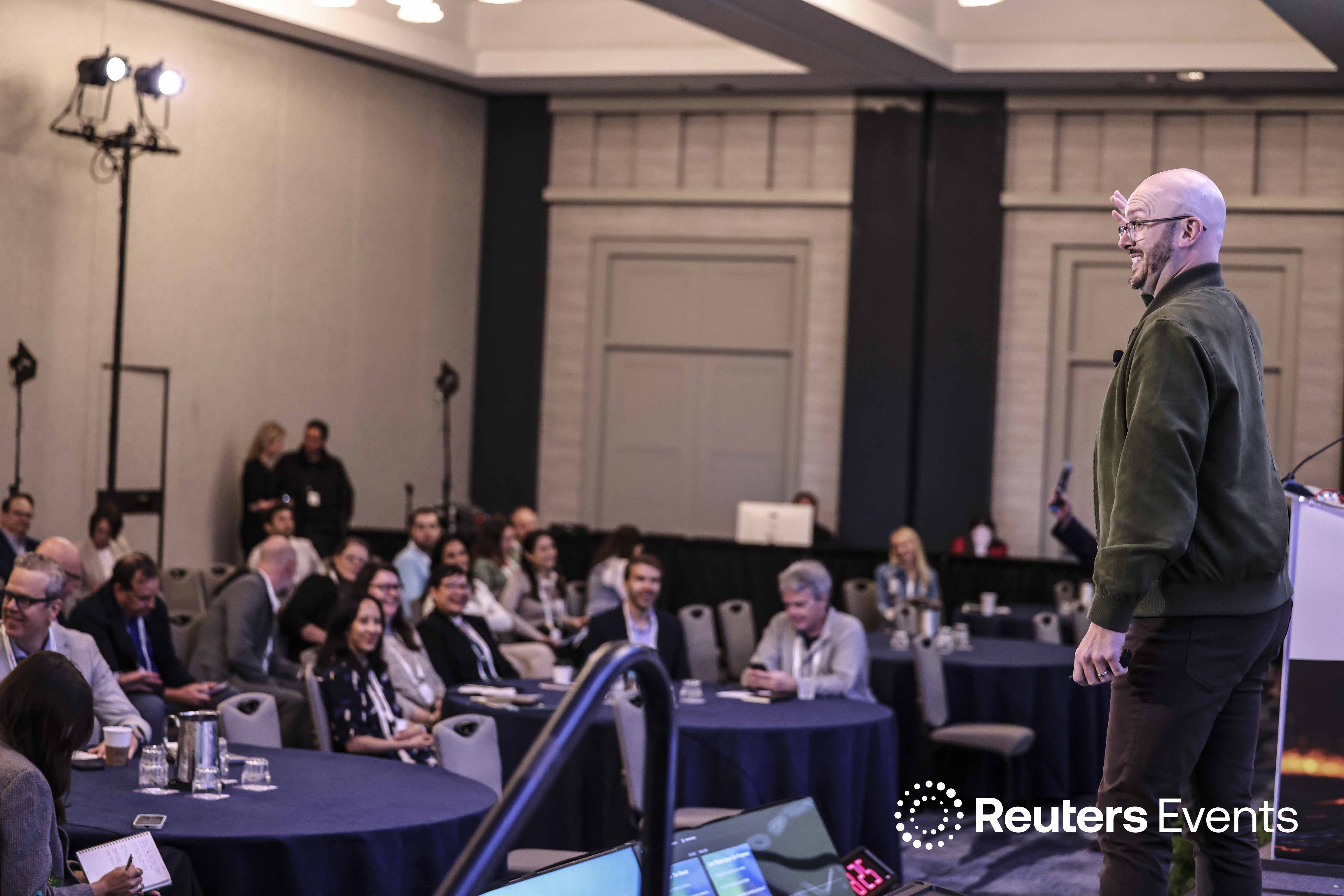
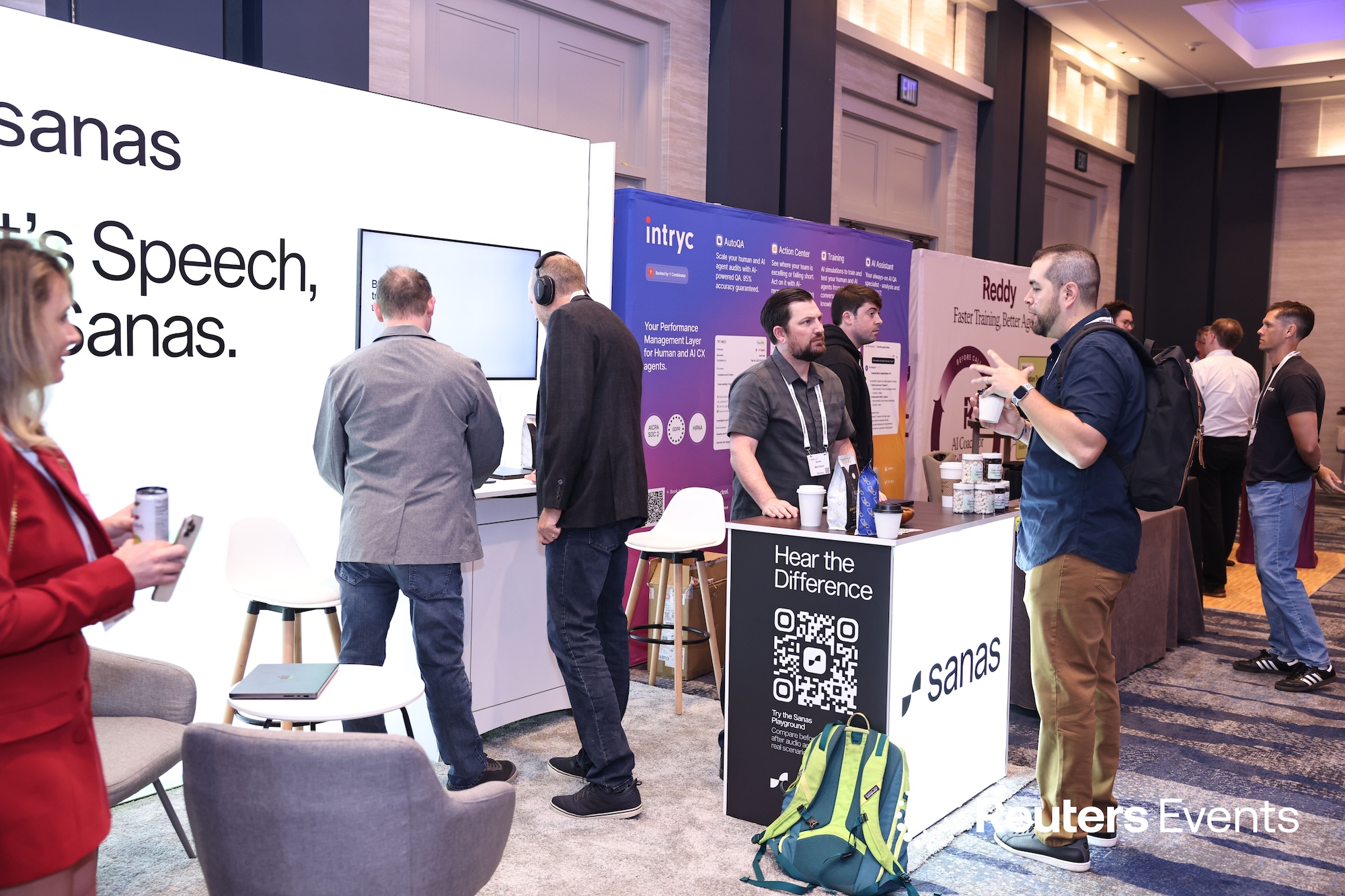
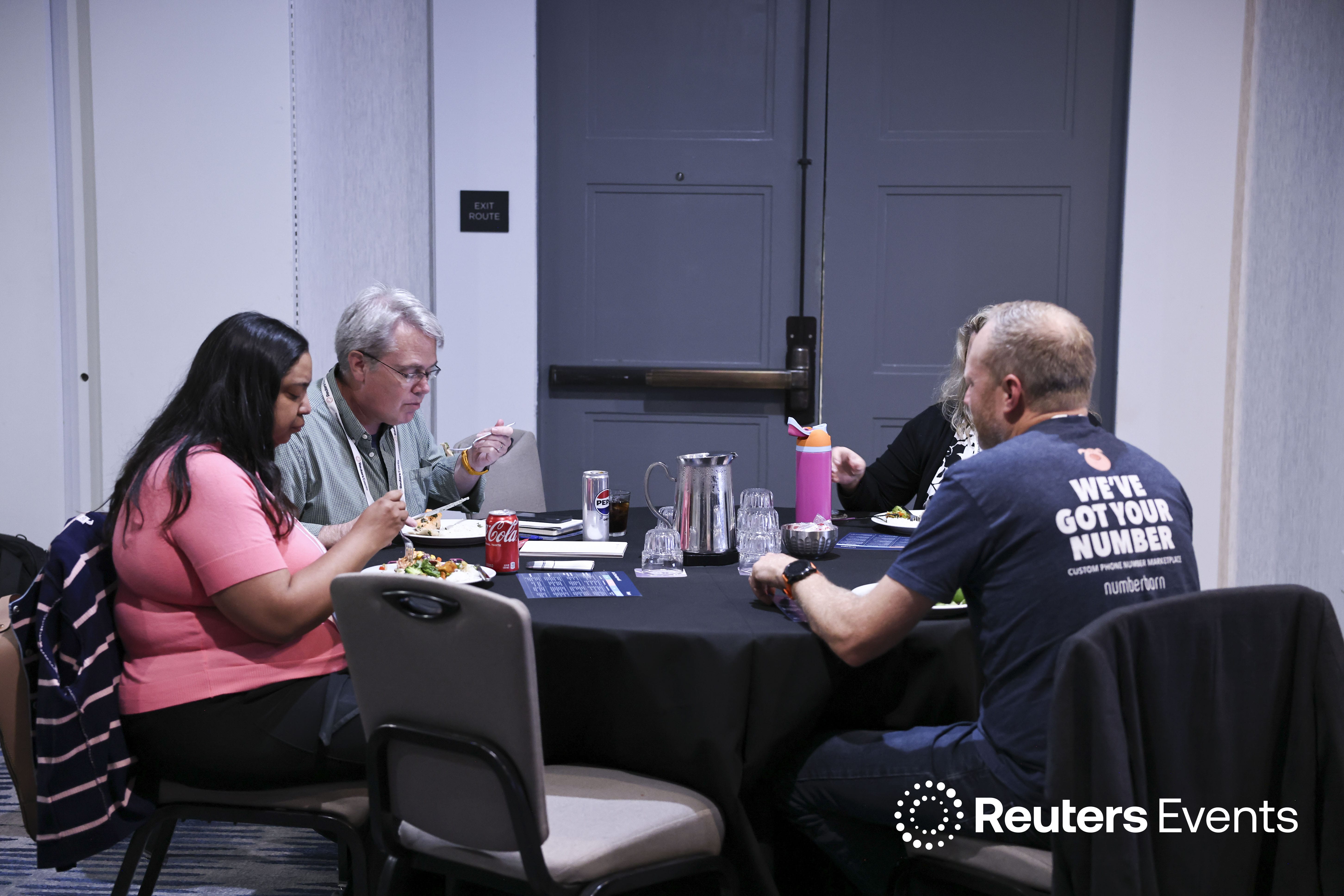
As far as conferences go, it was a fairly intimate gathering with a few hundred contact center and customer experience (CX) executives across a variety of industries. Sessions included presentations, panels and roundtable discussions and attendees were afforded ample time to network with one another and meet with a dozen or so software vendors
In case you haven’t seen it, check out my article from last year’s conference. Having just read through it I was reminded that, like last year, artificial intelligence (AI) dominated the event. And though that might sound potentially boring and redundant, it was interesting to see a few new angles on AI and hear fresh use cases.
To name a few, solutions like LevelAI and Parloa seem poised to build out robust virtual phone agents to handle a wide variety of customer inquiries. Sanas uses AI to neutralize contact center agent accents, eliminate background noise and simplify realtime language translation. Clootrack and Cresta provide real-time, AI-driven customer insights to CX teams so they can make decisions and improvements faster.
As always, I took copious notes which – between you and me – keeps my mind from wandering to work-related topics and beyond during those post-lunch sessions.
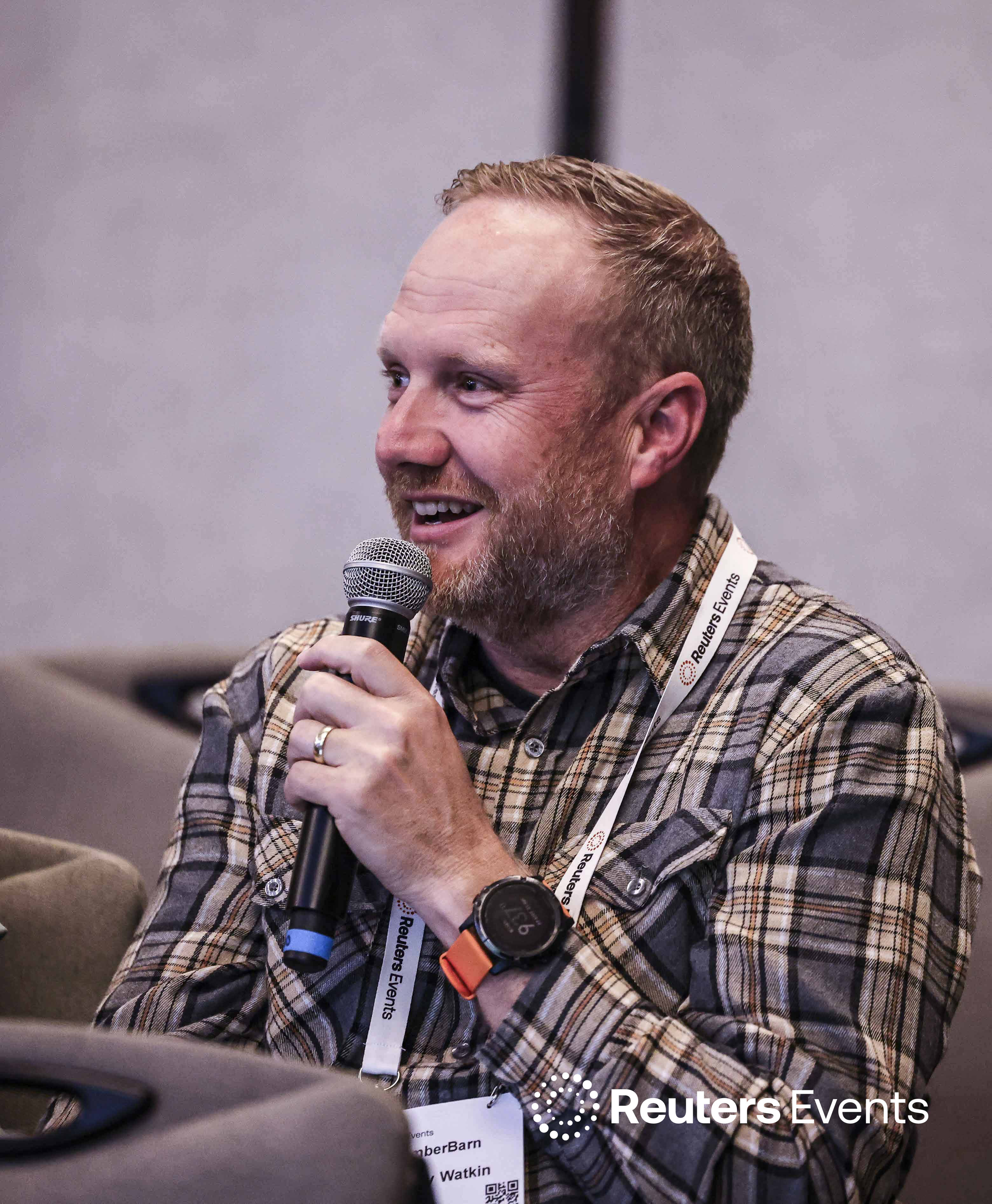
As I scroll through my notes, I’m realizing that I left with more questions than answers. So rather than sharing my insights with you, I’m going to present five questions and considerations that I’ll continue to chew on and work to answer in my day job at NumberBarn. Let’s dive in.
Net Promoter Score
Question #1 – What’s the value of improving Net Promoter Score?
An often-talked-about metric for many companies is Net Promoter Score or NPS. Traditionally, an “NPS Score” results from a survey question where customers are asked “On a scale of 0-10 how likely are you to recommend our company to a friend or colleague.” Those who respond with 9 or 10 are promoters, 8 and 9 are passives and 0 to 6 are detractors.
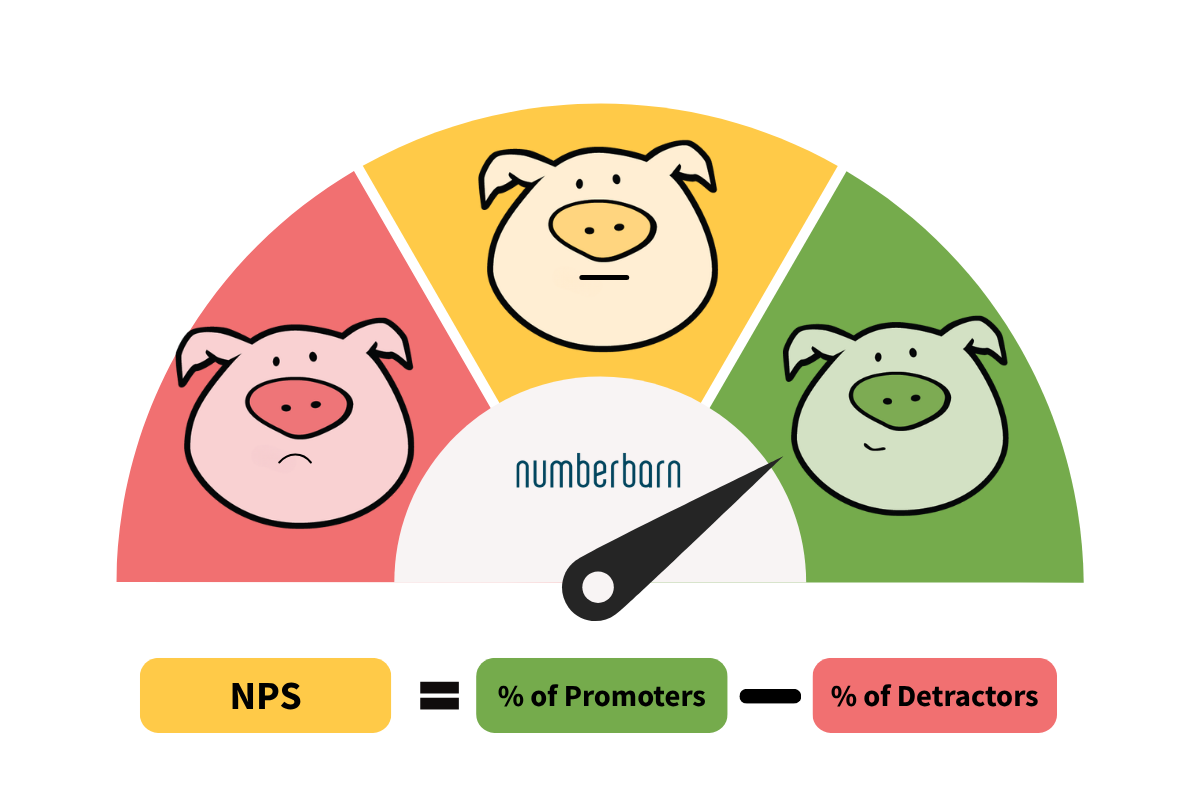
Without going into more detail, a score can be derived from the responses but the ultimate goal is to find out who your passives and detractors are and find ways to turn them into promoters. Also, don’t forget to keep your promoters loyal to your brand, whether it be through a loyalty program or simply by consistently providing a stellar product and service.
In an article titled Net Promoter 3.0 that was published in the Harvard Business Review, the creators of the metric worked to weed out bad practices that artificially pad results like begging customers for scores and selectively surveying only the happy customers. They instead shifted the focus to tying results to revenue. After all, companies who can get and keep more (loyal) customers should perform better in the long run.
Heather Garboden, Chief Customer Officer at American Airlines kicked off the conference talking about her customer experience work and shared something about NPS that sent the whole room into a frenzy. She said that one, single NPS point at American Airlines is worth between 40 and 80 million dollars in annual revenue. So if American Airlines can find ways to improve their NPS, they will see a tangible increase in their bottom line.
When asked about some of their initiatives to improve NPS she spoke about their work in boosting customer loyalty. Some of these included upgrades to the champagne in first class and adding new lounges at certain airports. She also talked about adding free wifi for their Advantage members. These add ons help to create premium and differentiated experiences that customers are willing to pay for so they will continue to fly with American.
Company Leadership
Question #2 – Do your customers have access to company leadership?
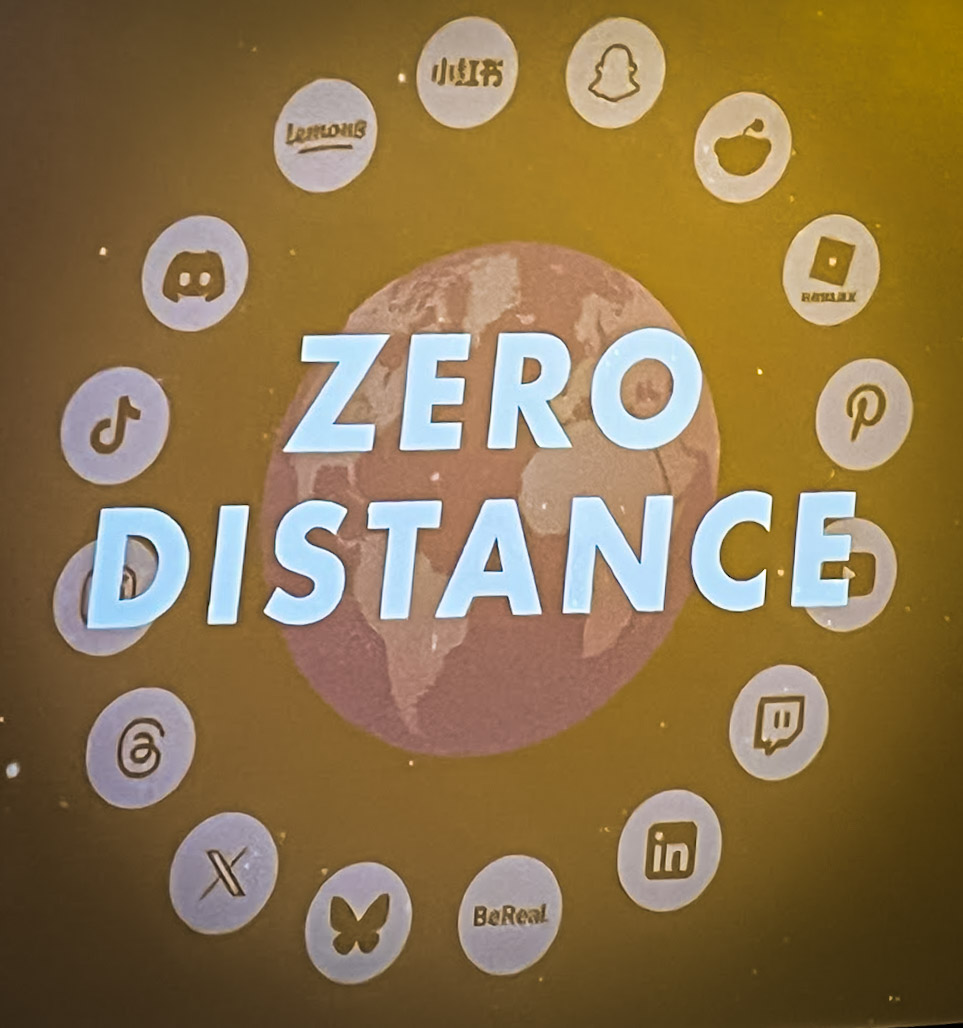
One little nugget of insight that came through a couple of times during the conference is the importance of company leadership being present for customers. In one session, Ekta Chopra, CTO at E.L.F. Cosmetics said, “We want to create a zero distance between us and our community.” She went on to talk about how company executives are often directly accessible to customers on their various social media channels – which aligns perfectly with their mission of “making the best of beauty accessible to every eye, lip and face.”
In similar fashion, Heather Garboden of American Airlines spoke of the priority of making sure that pilots are present and speak with passengers during and after flights. Building that connection between the pilot and passengers makes them feel safe which is a fundamental part of a positive flight experience.
Buying Signals
Question #3 – Is your sales team trained to recognize buying signals?
I reviewed the conference agenda before attending the event, and as a musician I was especially looking forward to the session titled “Guitar Center’s Journey to AI-Powered Transformation.” While I was disappointed not to win the raffle for the Daphne Blue Fender Squier Jaguar electric guitar, the session did not disappoint.
Scott Selfridge, Senior Manager for Sales Excellence at Guitar Center shared about how their company partners with AI software company Cresta to train their Gear Heads (AKA Sales Reps) to recognize customer buying signals.
Sales can be tricky at Guitar Center with thousands of products to choose from. AI helps Guitar Center agents during chat conversations with customers to better find the right products and equips them with the necessary expertise about each product without requiring a ton of memorization. Couple this with a tool called “Micro Coaching” to help agents better recognize when customers are ready to make a purchase and they saw an 85% increase in sales conversions in two years.
Valuable Metrics
Question #4 – Do you know your ‘defective booking rate’?
In a session titled “Transforming Fragmentation into Flow” I particularly enjoyed getting to know Christiana Fischer, Global Care Director at GetYourGuide, a website that connects people with travel experiences.
She shared a metric called “Defective Booking Rate” where they track every order that had some kind of error or defect. With millions of bookings per year they had their work cut out for them. Fischer went on to share the complexity in improving this metric where they frequently have to gather feedback from the customer and share it with the provider of the tour or experience, helping them to make improvements.
Though Defective Booking Rate might not be a key performance indicator for your industry, it’s important to figure out what metrics are critical to your success and work tirelessly to improve them. I’m just a sucker for a good industry-specific metric – especially as it relates to CX!
AI Maturity
Question #5 – How mature are your AI efforts?
In a lunch-time workshop hosted by Ali Birouti, Director of Digital Evolution at Liveops we walked through an AI maturity model and assessment to understand where our company stands in our efforts to implement artificial intelligence. While I won’t share our score per se, I will say that I’m excited about our AI efforts and where we’re headed as an organization. There were a couple key nuggets I took from this session.
First, Birouti encouraged us to get out of the “endless pilot cycle.” Latané Conant, CMO at Parloa called it “Pilot Purgatory.” This highlights a problem where companies constantly pilot technologies, including AI, but never commit. As someone who has been guilty of many pilots, I think it’s totally okay to try new things and learn about new technologies. And it’s okay to walk away if the fit isn’t right. But for others, we need to show an ROI, get executive sponsorship, and start building something that improves our customer experience.
Secondly, I learned about the concept of “AI Hallucinations.” These occur when the AI doesn’t have proper boundaries and goes off the rails, making up answers as it goes. The idea of misinforming customers is enough to keep CX professionals up at night.
These hallucinations speak to the fact that AI is not a set-it-and-forget-it technology. The Liveops AI maturity model has a section about “What not to do” and gives advice to companies whose maturity ranges from crawling to flying. One warning exists for all companies and that is “Do not remove human oversight.” Are you implementing an AI solution that helps contact center agents do their job or are you automating the interactions themselves?
Either way, this speaks to the importance of a constant quality assurance cycle – taking time to interact with and review interactions with our AI to ensure that it’s improving the customer experience not detracting from it. Yes, sometimes this means you need to spend time reading and listening to customer interactions both with your AI chatbot and your agents. Don’t ever think this practice will be complete.
______
As you can see, my head is filled with questions. There truly are so many directions and angles we can take with AI and it’s impossible to do all of them at once. We need to continue to work to implement the tools, technology and processes that will have the greatest impact on our business.
Did you attend the event? Do you have answers to my questions? Please don’t hesitate to connect with me on LinkedIn or open up our support widget at NumberBarn.com and enter “Connect me with Jeremy.” They will know how to reach me.
All images used with permission from Reuters Customer Service & Experience West 2026.